



How Online Media Influences Business Decisions
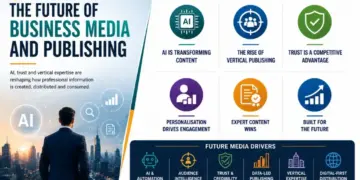
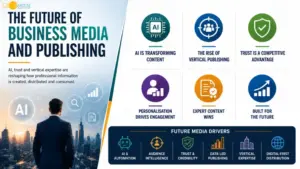
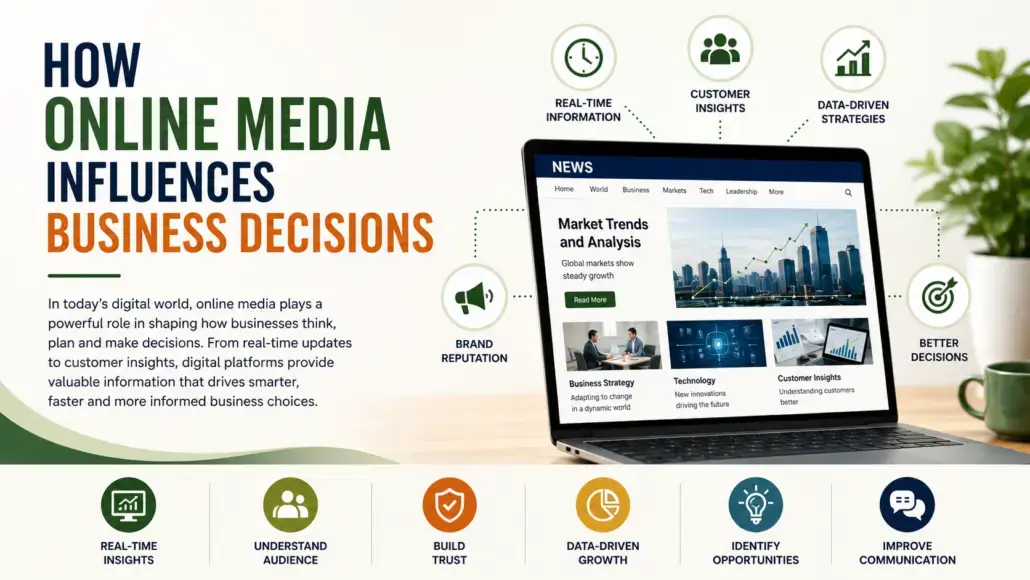
Online media influences business decisions more directly than any other information source available today. Companies no longer rely solely on traditional research, trade shows, or offline networks to guide their strategy. Instead, decision-makers actively monitor digital platforms, industry publications, social media, and customer feedback to stay informed and act with confidence.
Consequently, businesses that use online media strategically make faster, smarter, and more competitive decisions than those that do not.
Real-Time Information That Drives Faster Decisions
One of the most powerful ways online media influences business decisions is through speed. Market shifts, regulatory updates, competitor moves, and emerging technologies can all be tracked in real time through digital platforms.
Therefore, businesses that follow credible industry sources are consistently better prepared to respond to change, identify opportunities early, and avoid costly blind spots. In fast-moving B2B sectors like energy, pharma, and manufacturing, this real-time awareness is a genuine competitive advantage.
Understanding Customer Behaviour Through Digital Channels
Online media gives businesses direct visibility into how their audiences think, behave, and make decisions. Social media conversations, customer reviews, content engagement data, and search trends all provide valuable signals about audience priorities and pain points.
Furthermore, this insight allows companies to refine their marketing strategies, improve product positioning, and create more personalised customer experiences — all based on real behaviour rather than assumption.
How Online Media Influences Brand Reputation and Trust
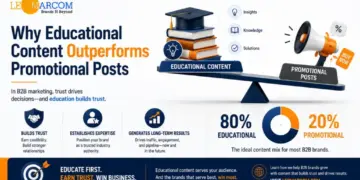
A company’s digital presence directly shapes how it is perceived by potential clients, partners, and stakeholders. Positive media coverage, published thought leadership, and consistent online communication build credibility over time.
Moreover, businesses that actively manage their online reputation — through industry publications, LinkedIn presence, and content marketing — are far more likely to be shortlisted by B2B buyers who research vendors before making contact. As a result, online media becomes a direct factor in winning or losing business.
Supporting Data-Driven Marketing Strategy
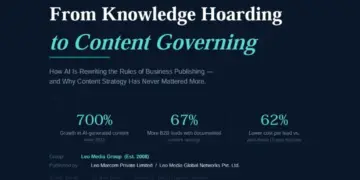
Online media platforms generate measurable performance data that helps businesses evaluate what is working and where to invest. Website analytics, social media insights, email engagement rates, and content performance metrics all inform smarter marketing decisions.
In addition, this data removes the guesswork from campaign planning — allowing teams to allocate budget more effectively, improve targeting, and optimise messaging based on real audience response.
Identifying Industry Trends and Growth Opportunities
Businesses that regularly engage with online media are the first to spot emerging trends, new technologies, and shifting market demands. Industry reports, digital publications, expert commentary, and professional networks all serve as early-warning systems for change.
Therefore, organisations that treat online media as a strategic intelligence tool — rather than just a communication channel — are consistently better positioned to innovate, adapt, and grow ahead of their competitors.
Conclusion
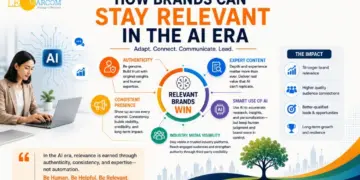
Online media influences business decisions at every level — from strategic planning and brand positioning to marketing execution and competitive intelligence. In a world where information moves instantly and buyers research extensively before engaging, businesses that harness online media effectively hold a significant advantage.
At Leo MarCom, we help B2B brands across pharma, healthcare, energy, construction, and manufacturing use digital media strategically to build visibility, trust, and business growth. Visit leomarcom.com to learn more.