



Healthcare is a human field, yet its social feeds often read like legal notices. Stiff language and stock images keep readers at a distance. Strong healthcare social media does the opposite, because it builds patient trust by showing the people and purpose behind the brand.
According to KFF’s 2026 Tracking Poll on Health Information and Trust, based on 2,480 U.S. adults, 31% use social media for health information or advice at least monthly. People are already looking for guidance online. The question is who they find there.
Why Healthcare Social Media Needs a Human Face
Patients and partners decide who to trust long before they make contact. A faceless page gives them nothing to hold on to. However, a named clinician explaining a topic in plain words gives them a reason to listen.
Humanising does not mean casual or careless. It means clear, kind and honest. As a result, the brand feels approachable without losing authority.
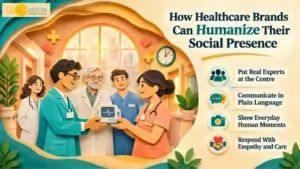
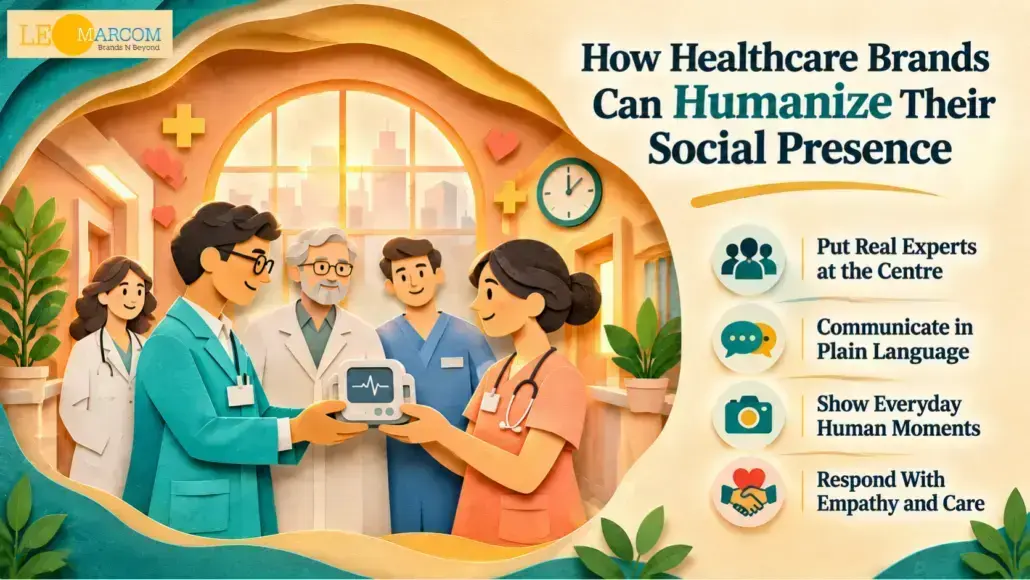
Put Real Experts at the Centre of Healthcare Social Media
Feature doctors, researchers and operations leads by name. Ask them to explain one idea in two minutes of video or a short post. Then add a simple takeaway the reader can use.
Share the thinking behind decisions as well. For example, explain why a protocol changed or how a team prepares for a busy season. Such stories show care and competence together. You can also draw on trusted industry sources such as HHM Global for context on sector trends.
Use Plain Language Without Dropping Accuracy
Replace jargon with everyday words, and define any term you must keep. Keep sentences short. Moreover, state the limits of what a post can say and point readers to a qualified professional.
Review every post for accuracy and regulatory fit before it goes live. Likewise, never share patient stories, images or details without clear written consent. Trust breaks faster than it builds.
Show Everyday Moments and Respond Like a Person
Behind-the-scenes content makes teams real. Share a day in the lab, a thank-you to staff or a milestone reached together. Keep patient privacy first in every frame.
Furthermore, answer comments and questions with warmth. Where a question needs clinical advice, reply politely and guide the person to proper care. Fast and kind replies build patient trust over time.
Conclusion
Humanising healthcare social media means putting real experts forward, speaking plainly and protecting privacy at every step. Warmth and accuracy work together. Start with one named voice and build from there.
At Leo MarCom, we help healthcare and other B2B industries build the social presence that earns patient trust and professional respect. Subscribe to our newsletter to get the latest industry updates.