

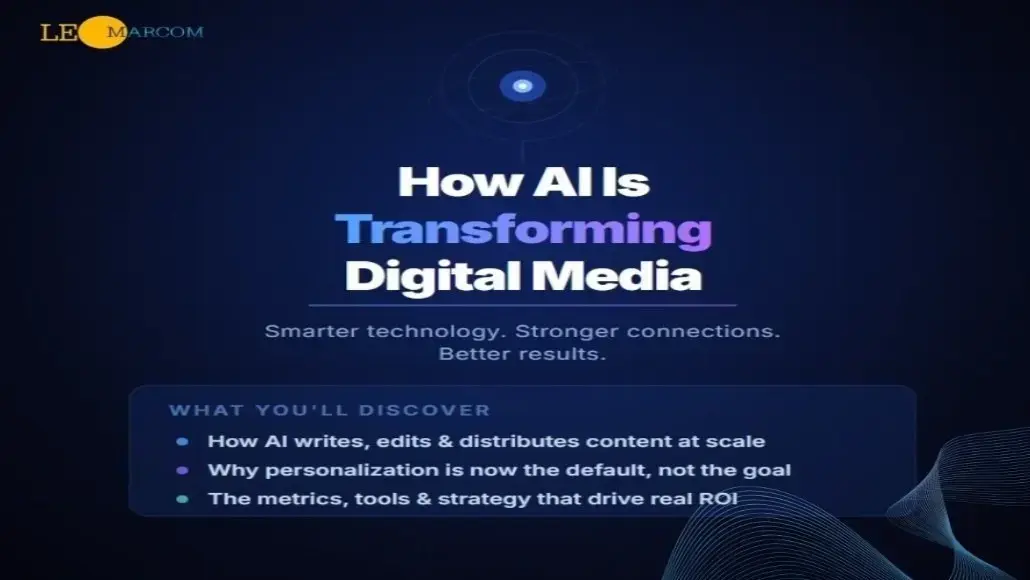
The Rise of AI in Digital Media
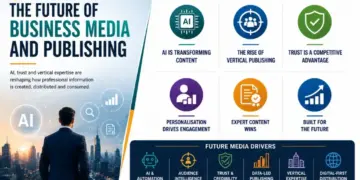
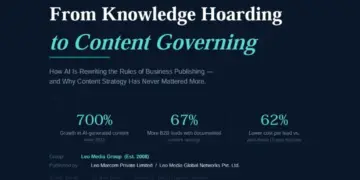
Artificial Intelligence is rapidly transforming the digital media industry by changing how content is created, distributed, and consumed. Over the past few years, AI has become one of the most influential technologies in media and communication, helping businesses improve efficiency, enhance audience engagement, and deliver more personalized experiences.
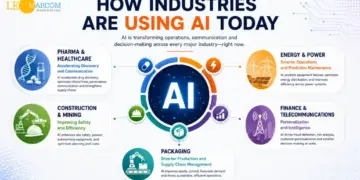
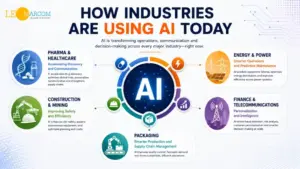
Digital media companies are increasingly using AI-powered tools to automate repetitive tasks, analyze audience behavior and optimize marketing strategies. From streaming platforms and social media networks to online news portals and advertising agencies, AI is now deeply integrated into modern digital ecosystems.
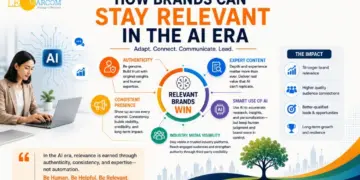
One of the key reasons behind the rise of AI is its ability to process massive amounts of data in real time. This allows businesses to understand audience preferences, predict trends and make smarter decisions faster than ever before. As competition in the digital space continues to grow, AI is helping brands stay relevant and competitive.
AI and Content Creation
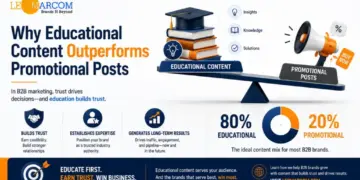
One of the biggest impacts of AI can be seen in content production. AI tools can now assist with writing articles, generating social media captions, editing videos, designing graphics and automating email campaigns. These technologies help businesses create content more efficiently while reducing operational workload and production time.
AI-powered platforms can also optimize content for search engines, suggest trending topics and analyze performance metrics to improve future campaigns. This allows media teams to focus more on strategy and creativity rather than repetitive manual tasks.
In addition, AI is helping businesses maintain consistency across multiple digital platforms. Brands can now scale content production while ensuring that messaging remains aligned with their identity and audience expectations.
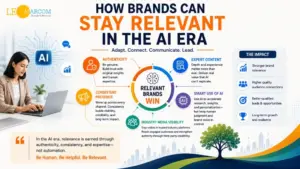
However, despite these advancements, human creativity still plays a critical role in digital media. AI can generate content based on patterns and data, but it cannot fully replicate emotional storytelling, cultural understanding or original creative thinking. Human insight remains essential for building authentic connections with audiences.
Personalization and Audience Engagement
AI is also transforming how audiences interact with digital media. Recommendation algorithms, intelligent search systems and personalized content feeds help users discover content that matches their interests and online behavior.
Streaming services like Netflix and Spotify, for example, use AI to recommend movies, shows, and music based on user preferences. Social media platforms also rely heavily on AI to curate feeds, display targeted advertisements and improve user engagement.
This level of personalization creates a more engaging user experience while helping businesses connect with the right audience more effectively. AI-driven analytics also allow companies to monitor audience behavior, measure campaign performance and optimize strategies in real time.
The Future of Digital Media
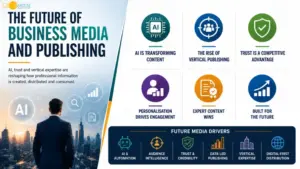
As AI technology continues to evolve, digital media will become even more intelligent, automated and data-driven. Businesses that successfully combine AI-powered efficiency with authentic communication and creative storytelling will gain a stronger competitive advantage.
AI is not replacing digital media professionals — it is transforming the way they work. The future of digital media will depend on the balance between advanced technology and human creativity, where AI enhances productivity while people continue to drive innovation, emotion, and meaningful communication.