



The print vs digital media debate has evolved significantly. In 2026, businesses are no longer asking which one to choose — they are asking how to use both effectively. Each format serves a distinct purpose, and the companies achieving the strongest marketing results are those that understand the difference.
Consequently, the real question is not print or digital — it is knowing when and why to use each.
The Strengths of Print Media
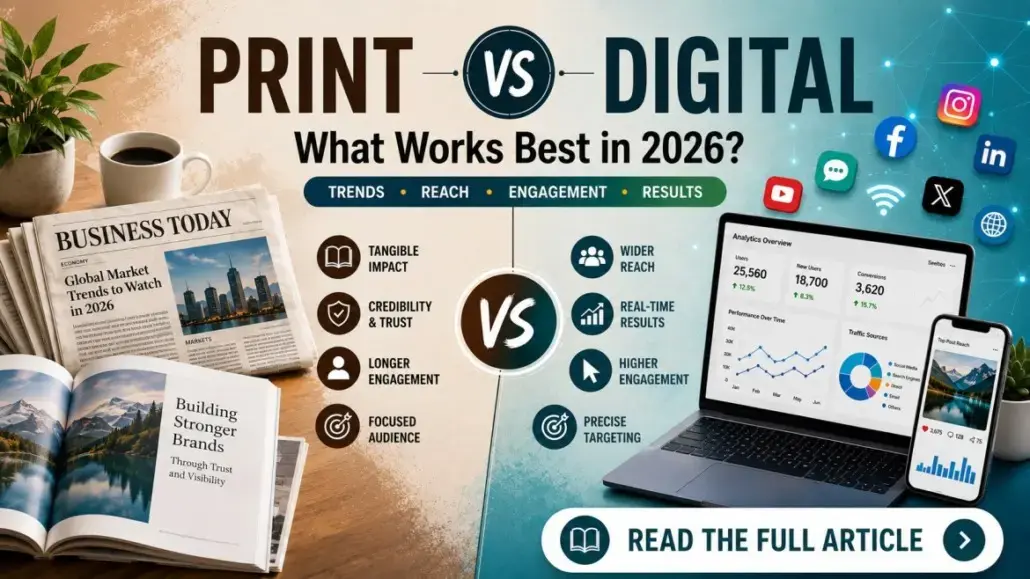
Print media continues to offer something digital cannot fully replicate — a tangible, focused reading experience that commands attention. Magazines, trade publications, brochures, and printed reports are consumed more slowly and deliberately than digital content.
Furthermore, print carries a perception of credibility and permanence. In B2B industries such as healthcare, manufacturing, pharma, and construction, a well-produced industry publication signals authority and professionalism in ways that a digital ad often cannot.
Print is therefore most effective for brand positioning, high-value audiences, and long-form content that requires depth and careful reading.
Why Digital Media Leads in 2026
In the print vs digital media comparison, digital holds clear advantages in speed, reach, targeting, and measurability. Businesses can publish content instantly, reach global audiences, track performance in real time, and adjust campaigns based on live data.
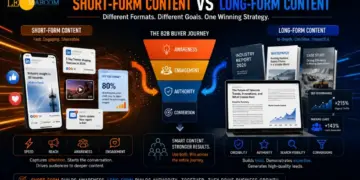
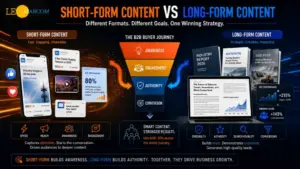
Moreover, digital media supports every stage of the buyer journey — from awareness through search and social, to consideration through email and industry publications, to conversion through targeted campaigns and retargeting. As a result, it is significantly more versatile than print for most modern marketing objectives.
Search engine visibility is also a major advantage. Businesses that consistently publish digital content improve their organic discoverability and generate inbound leads at a fraction of the cost of traditional advertising.
Audience Behaviour Determines the Right Mix
The print vs digital media decision ultimately comes down to audience behaviour. Different professional audiences consume information differently. Therefore, understanding where your specific audience spends their time — and what they trust — is the most important factor in choosing your media mix.
In B2B sectors, senior decision-makers often engage with both — reading industry publications for strategic insight while using digital platforms for research, comparison, and engagement. In addition, younger procurement professionals and managers tend to rely almost entirely on digital sources.
The Strongest Strategy Combines Both
Rather than treating print vs digital media as a binary choice, leading B2B brands integrate both into a coherent communication strategy. Print builds credibility and brand recall. Digital builds visibility, engagement, and measurable pipeline.
For example, a company might run a feature in an industry trade magazine while simultaneously promoting related content through LinkedIn, email campaigns, and targeted digital display advertising. This creates multiple touchpoints that reinforce each other across the buyer journey.
According to the Content Marketing Institute, integrated marketing strategies consistently outperform single-channel approaches in both reach and conversion.
Conclusion
The print vs digital media debate does not have a single winner — it has a smarter answer. Use print where credibility, depth, and high-value audience engagement matter most. Use digital where speed, reach, targeting, and measurability are the priority. Use both where your audience demands it.
At Leo MarCom, we help B2B brands across pharma, healthcare, energy, construction, and manufacturing build integrated media strategies that combine the best of print and digital. Visit leomarcom.com to learn more.