




Credible industry information has never been more important — or more difficult to find. In an era where AI-generated content, misinformation, and low-quality publishing are flooding digital channels, professionals who depend on accurate data to make high-stakes business decisions are increasingly at risk of being misled.
Consequently, the ability to identify, access, and rely on trusted industry sources has become a genuine competitive advantage for businesses operating in sectors where accuracy is not optional.
The Cost of Inaccurate Industry Information
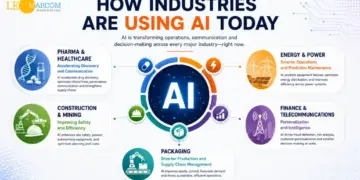
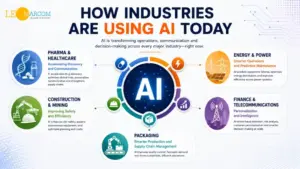
Poor information leads to poor decisions. In industries like pharma, healthcare, energy, mining, and manufacturing, acting on inaccurate market data, flawed regulatory updates, or misleading trend reports can result in significant financial, operational, and reputational damage.
Furthermore, the speed at which misinformation spreads through digital channels has increased dramatically. A single inaccurate report shared across professional networks can influence procurement decisions, investment strategies, and supply chain planning before the error is ever identified or corrected.
Why Credible Industry Information Builds Business Trust
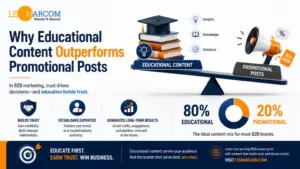
Businesses that source and share credible industry information are perceived as more knowledgeable, more reliable, and more professional than those that do not. Therefore, organizations that consistently cite trusted sources, publish accurate analysis, and contribute verified insights to their sector build stronger reputations over time.
Moreover, in B2B markets where purchasing decisions involve significant investment and long-term commitment, clients and partners actively look for businesses that demonstrate informed, evidence-based thinking. Credibility is not just a communication quality — it is a commercial advantage.
The Role of Expert-Driven Media Platforms
Not all industry information is created equal. Consequently, the media platforms that carry the most professional trust are those with rigorous editorial standards, verified sources, and genuine subject matter expertise behind every piece of content published.
Industry-specific digital publications, expert commentary platforms, and professionally edited trade media play a critical role in filtering noise and delivering verified, relevant insights to professional audiences. In addition, these platforms provide a context that general news sources simply cannot — interpreting developments through the lens of specific sector knowledge.
How AI Has Raised the Stakes for Credibility
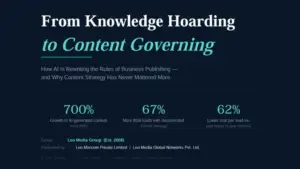
The rise of AI-generated content has made credible industry information harder to identify and more valuable than ever. AI tools can produce large volumes of plausible-sounding content quickly — but without editorial oversight, accuracy cannot be guaranteed.
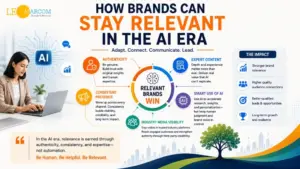
As a result, professionals across every industry are becoming more discerning about where they source their information. Publications and media brands that combine AI efficiency with human editorial expertise and verified sourcing are emerging as the most trusted voices in their fields.
According to the Reuters Institute, trust in news overall has declined — making professionally verified, expert-led industry journalism significantly more valuable to decision-making professionals.
Conclusion
Credible industry information is the foundation of informed decisions, trusted brands, and competitive businesses. In 2026, with misinformation more prevalent and AI content more widespread than ever, the value of accurate, expert-driven industry media has never been higher.
At Leo MarCom, we operate a network of industry-specific digital publications across pharma, healthcare, energy, construction, mining, and more — delivering the credible industry information that professionals and businesses depend on. Visit leomarcom.com to learn more.